Question A:
Use of artificial intelligence over the next ten years will lead to a substantial increase in the unemployment rates in advanced countries.
Responses
Responses weighted by each expert's confidence
Question B:
Use of artificial intelligence over the next ten years will have a negative impact on the earnings potential of substantial numbers of high-skilled workers in advanced countries.
Responses
Responses weighted by each expert's confidence
Question C:
Use of artificial intelligence over the next ten years will lead to substantially greater uncertainty about the likely returns to investment in education.
Responses
Responses weighted by each expert's confidence
Question A Participant Responses
| Participant | University | Vote | Confidence | Bio/Vote History |
|---|---|---|---|---|
 Daron Acemoglu |
MIT | Bio/Vote History | ||
|
I interpret use of AI to refer to current AI design and deployment practices. Fundamentally, such effects depend on choices made by AI companies (and businesses). There is a pro-worker AI path that would not lead to such unemployment effects, but that's not what is pursued.
-see background information here -see background information here |
||||
 Mark Aguiar |
Princeton | Bio/Vote History | ||
|
|
||||
 Joseph Altonji |
Yale | Bio/Vote History | ||
|
|
||||
 Alan Auerbach |
Berkeley | Bio/Vote History | ||
|
|
||||
 David Autor |
MIT | Bio/Vote History | ||
|
|
||||
 Abhijit Banerjee |
MIT | Did Not Answer | Bio/Vote History | |
|
|
||||
 Dirk Bergemann |
Yale | Bio/Vote History | ||
|
|
||||
 Marianne Bertrand |
Chicago | Bio/Vote History | ||
|
|
||||
 Markus Brunnermeier |
Princeton | Bio/Vote History | ||
|
|
||||
 Judith Chevalier |
Yale | Bio/Vote History | ||
 David Cutler |
Harvard | Bio/Vote History | ||
|
|
||||
 Darrell Duffie |
Stanford | Bio/Vote History | ||
|
|
||||
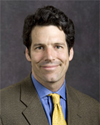 Aaron Edlin |
Berkeley | Bio/Vote History | ||
|
It is too early to know. Past technological innovations have not. But this time could be different.
|
||||
 Barry Eichengreen |
Berkeley | Bio/Vote History | ||
|
|
||||
 Liran Einav |
Stanford | Bio/Vote History | ||
|
|
||||
 Ray Fair |
Yale | Bio/Vote History | ||
|
|
||||
 Edward Glaeser |
Harvard | Bio/Vote History | ||
|
|
||||
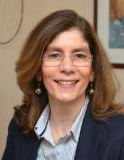 Pinelopi Goldberg |
Yale | Bio/Vote History | ||
|
|
||||
 Michael Greenstone |
University of Chicago | Bio/Vote History | ||
|
|
||||
 Oliver Hart |
Harvard | Bio/Vote History | ||
|
There will be substantial dislocation but I think people will find other jobs when AI is a substitute for what they are doing and in other cases it will be a complement.
|
||||
 Caroline Hoxby |
Stanford | Bio/Vote History | ||
|
|
||||
 Hilary Hoynes |
Berkeley | Bio/Vote History | ||
|
I am more confident that inequality will rise (wages fall in the lower end) than unemployment rising.
|
||||
 Erik Hurst |
Chicago Booth | Bio/Vote History | ||
|
Historically, labor displacing technologies sho up as declines in participation rates not an increase in unemployment rates.
|
||||
 Kenneth Judd |
Stanford | Bio/Vote History | ||
|
There will be serious impacts of AI on the labor force but the impact on unemployment will depend on the sector and country. Many workers will suffer substantial wage loss. Older workers may retire earlier than planned. Unemployment is not indicative of long-run impacts.
|
||||
 Steven Kaplan |
Chicago Booth | Bio/Vote History | ||
|
Expect increased productivity to lead to more employment over time. There may be short-term volatility.
|
||||
 Anil Kashyap |
Chicago Booth | Bio/Vote History | ||
|
low conviction, but it does not seem to be happening and there are forces that can go in both directions.
|
||||
 Pete Klenow |
Stanford | Bio/Vote History | ||
 Jonathan Levin |
Stanford | Bio/Vote History | ||
|
|
||||
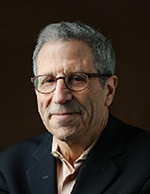 Eric Maskin |
Harvard | Bio/Vote History | ||
|
Many jobs will surely be lost, but we don’t know yet how many new ones will be created.
|
||||
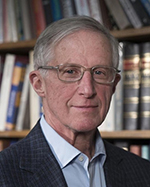 William Nordhaus |
Yale | Did Not Answer | Bio/Vote History | |
|
|
||||
 Maurice Obstfeld |
Peterson Institute for International Economics | Bio/Vote History | ||
|
|
||||
 Parag Pathak |
MIT | Bio/Vote History | ||
|
|
||||
 Larry Samuelson |
Yale | Bio/Vote History | ||
|
AI will eliminate many types of jobs, but will likely open up many new ones, just as with previous technological innovations.
|
||||
 José Scheinkman |
Columbia University | Bio/Vote History | ||
|
As technology and the China shocks previously, AI will change the relative demand for workers with different skills. Countries with more rigid wages would face increased unemployment while other countries should experience wage stagnation and losses.
|
||||
 Richard Schmalensee |
MIT | Bio/Vote History | ||
|
Could be a lot of underemployment.
|
||||
 Fiona Scott Morton |
Yale | Bio/Vote History | ||
|
|
||||
 Carl Shapiro |
Berkeley | Bio/Vote History | ||
|
|
||||
 Robert Shimer |
University of Chicago | Bio/Vote History | ||
|
|
||||
 Stefanie Stantcheva |
Harvard | Did Not Answer | Bio/Vote History | |
|
|
||||
 James Stock |
Harvard | Bio/Vote History | ||
|
Seems more likely that there would be a decline in the labor force participation rate as workers made obsolete drop out of the formal labor market, but who knows...
|
||||
 Nancy Stokey |
University of Chicago | Did Not Answer | Bio/Vote History | |
|
|
||||
 Chad Syverson |
Chicago Booth | Bio/Vote History | ||
|
I would expect certain occupations to be substantially negatively affected, but countervailing influences and adoption frictions will expectedly mitigate negative overall effects.
|
||||
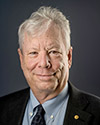 Richard Thaler |
Chicago Booth | Bio/Vote History | ||
|
|
||||
 Christopher Udry |
Northwestern | Bio/Vote History | ||
|
|
||||
 Ivan Werning |
MIT | Bio/Vote History | ||
|
Previous forms of automation have not lead to high aggregate unemployment. This technology may, however, be different, so it is uncertain. Unemployment is more likely when displacement is coupled with high unemployment insurance benefits.
|
||||
Question B Participant Responses
| Participant | University | Vote | Confidence | Bio/Vote History |
|---|---|---|---|---|
|
Daron Acemoglu |
MIT | Bio/Vote History | ||
|
There are many claims that AI will impact high-skill workers. The evidence outside of coding is scant. AI will displace customer service and many other service workers. If displaced, high-skill workers may be able to adapt better to AI and take jobs away from low-skill workers.
-see background information here |
||||
|
Mark Aguiar |
Princeton | Bio/Vote History | ||
|
|
||||
|
Joseph Altonji |
Yale | Bio/Vote History | ||
|
|
||||
|
Alan Auerbach |
Berkeley | Bio/Vote History | ||
|
|
||||
|
David Autor |
MIT | Bio/Vote History | ||
|
|
||||
|
Abhijit Banerjee |
MIT | Did Not Answer | Bio/Vote History | |
|
|
||||
|
Dirk Bergemann |
Yale | Bio/Vote History | ||
|
|
||||
|
Marianne Bertrand |
Chicago | Bio/Vote History | ||
|
|
||||
|
Markus Brunnermeier |
Princeton | Bio/Vote History | ||
|
|
||||
|
Judith Chevalier |
Yale | Bio/Vote History | ||
|
Agree but tricky to tell WHICH workers.
|
||||
|
David Cutler |
Harvard | Bio/Vote History | ||
|
|
||||
|
Darrell Duffie |
Stanford | Bio/Vote History | ||
|
|
||||
|
Aaron Edlin |
Berkeley | Bio/Vote History | ||
|
|
||||
|
Barry Eichengreen |
Berkeley | Bio/Vote History | ||
|
|
||||
|
Liran Einav |
Stanford | Bio/Vote History | ||
|
|
||||
|
Ray Fair |
Yale | Bio/Vote History | ||
|
|
||||
|
Edward Glaeser |
Harvard | Bio/Vote History | ||
|
|
||||
|
Pinelopi Goldberg |
Yale | Bio/Vote History | ||
|
|
||||
|
Michael Greenstone |
University of Chicago | Bio/Vote History | ||
|
|
||||
|
Oliver Hart |
Harvard | Bio/Vote History | ||
|
|
||||
|
Caroline Hoxby |
Stanford | Bio/Vote History | ||
|
|
||||
|
Hilary Hoynes |
Berkeley | Bio/Vote History | ||
|
|
||||
|
Erik Hurst |
Chicago Booth | Bio/Vote History | ||
|
New jibs will be created. But some high educated workers may end up moving down the job ladder if there job is displaced.
|
||||
|
Kenneth Judd |
Stanford | Bio/Vote History | ||
|
Many administrative jobs will be eliminated. Reimbursements at Stanford is increasingly burdensome. Bureaucrats slow the process with silly questions that have easy answers. AI bureaucrats may ask the same questions but they will be faster .... and cheaper!
|
||||
|
Steven Kaplan |
Chicago Booth | Bio/Vote History | ||
|
|
||||
|
Anil Kashyap |
Chicago Booth | Bio/Vote History | ||
|
|
||||
|
Pete Klenow |
Stanford | Bio/Vote History | ||
|
Jonathan Levin |
Stanford | Bio/Vote History | ||
|
|
||||
|
Eric Maskin |
Harvard | Bio/Vote History | ||
|
High-skilled professionals whose work is repetitive---e.g., radiologists---may be oarticularly affected
|
||||
|
William Nordhaus |
Yale | Did Not Answer | Bio/Vote History | |
|
|
||||
|
Maurice Obstfeld |
Peterson Institute for International Economics | Bio/Vote History | ||
|
|
||||
|
Parag Pathak |
MIT | Bio/Vote History | ||
|
|
||||
|
Larry Samuelson |
Yale | Bio/Vote History | ||
|
AI will decrease the earnings potential of a substantial number of jobs, but will open up earning potential in other types of jobs.
|
||||
|
José Scheinkman |
Columbia University | Bio/Vote History | ||
|
|
||||
|
Richard Schmalensee |
MIT | Bio/Vote History | ||
|
|
||||
|
Fiona Scott Morton |
Yale | Bio/Vote History | ||
|
|
||||
|
Carl Shapiro |
Berkeley | Bio/Vote History | ||
|
|
||||
|
Robert Shimer |
University of Chicago | Bio/Vote History | ||
|
Use of artificial intelligence over the next ten years will have a negative impact on some high-skilled workers and a positive impact on others.
|
||||
|
Stefanie Stantcheva |
Harvard | Did Not Answer | Bio/Vote History | |
|
|
||||
|
James Stock |
Harvard | Bio/Vote History | ||
|
|
||||
|
Nancy Stokey |
University of Chicago | Did Not Answer | Bio/Vote History | |
|
|
||||
|
Chad Syverson |
Chicago Booth | Bio/Vote History | ||
|
Could happen in theory, but the early empirical work (and to be fair it is very early) is not showing any sign of this.
|
||||
|
Richard Thaler |
Chicago Booth | Bio/Vote History | ||
|
|
||||
|
Christopher Udry |
Northwestern | Bio/Vote History | ||
|
|
||||
|
Ivan Werning |
MIT | Bio/Vote History | ||
|
A real possibility reasonable guess give its trend and general purpose nature and basic supply vs demand logic (it proxy well for an increase in supply of high skill labor), but HIGH UNCERTAINTY remains —> low confidence on my "guesstimate" (can it push demand out too?).
|
||||
Question C Participant Responses
| Participant | University | Vote | Confidence | Bio/Vote History |
|---|---|---|---|---|
|
Daron Acemoglu |
MIT | Bio/Vote History | ||
|
This is true even if AI does not affect high-skill workers adversely. AI is creating huge uncertainty about the labor market and jobs, and this will impact education. AI in classrooms is also impacting human cognition and creating uncertainty about how student learning.
-see background information here |
||||
|
Mark Aguiar |
Princeton | Bio/Vote History | ||
|
|
||||
|
Joseph Altonji |
Yale | Bio/Vote History | ||
|
|
||||
|
Alan Auerbach |
Berkeley | Bio/Vote History | ||
|
|
||||
|
David Autor |
MIT | Bio/Vote History | ||
|
|
||||
|
Abhijit Banerjee |
MIT | Did Not Answer | Bio/Vote History | |
|
|
||||
|
Dirk Bergemann |
Yale | Bio/Vote History | ||
|
|
||||
|
Marianne Bertrand |
Chicago | Bio/Vote History | ||
|
|
||||
|
Markus Brunnermeier |
Princeton | Bio/Vote History | ||
|
|
||||
|
Judith Chevalier |
Yale | Bio/Vote History | ||
|
Agree esp if we are talking about very specific types of education such as law school as opposed to more general purpose education.
|
||||
|
David Cutler |
Harvard | Bio/Vote History | ||
|
|
||||
|
Darrell Duffie |
Stanford | Bio/Vote History | ||
|
|
||||
|
Aaron Edlin |
Berkeley | Bio/Vote History | ||
|
|
||||
|
Barry Eichengreen |
Berkeley | Bio/Vote History | ||
|
|
||||
|
Liran Einav |
Stanford | Bio/Vote History | ||
|
|
||||
|
Ray Fair |
Yale | Bio/Vote History | ||
|
|
||||
|
Edward Glaeser |
Harvard | Bio/Vote History | ||
|
|
||||
|
Pinelopi Goldberg |
Yale | Bio/Vote History | ||
|
|
||||
|
Michael Greenstone |
University of Chicago | Bio/Vote History | ||
|
|
||||
|
Oliver Hart |
Harvard | Bio/Vote History | ||
|
|
||||
|
Caroline Hoxby |
Stanford | Bio/Vote History | ||
|
|
||||
|
Hilary Hoynes |
Berkeley | Bio/Vote History | ||
|
|
||||
|
Erik Hurst |
Chicago Booth | Bio/Vote History | ||
|
|
||||
|
Kenneth Judd |
Stanford | Bio/Vote History | ||
|
For 50 years I told students that math and CS courses will give you an advantage no matter what field you end up in. The big change is computers are becoming (as I predicted in my book in 1998) as smart as people. Being smarter than other people used to be enough. Not any more.
|
||||
|
Steven Kaplan |
Chicago Booth | Bio/Vote History | ||
|
We will still need people to tell the AI what to do.
|
||||
|
Anil Kashyap |
Chicago Booth | Bio/Vote History | ||
|
whether it is objectively true that the uncertainty is higher, the perception is likely to be such.
|
||||
|
Pete Klenow |
Stanford | Bio/Vote History | ||
|
We will find out when studies like this one are updated.
-see background information here |
||||
|
Jonathan Levin |
Stanford | Bio/Vote History | ||
|
|
||||
|
Eric Maskin |
Harvard | Bio/Vote History | ||
|
|
||||
|
William Nordhaus |
Yale | Did Not Answer | Bio/Vote History | |
|
|
||||
|
Maurice Obstfeld |
Peterson Institute for International Economics | Bio/Vote History | ||
|
|
||||
|
Parag Pathak |
MIT | Bio/Vote History | ||
|
|
||||
|
Larry Samuelson |
Yale | Bio/Vote History | ||
|
At this point, AI creates a great deal of uncertainty, in many areas, and is likely to continue to do so.
|
||||
|
José Scheinkman |
Columbia University | Bio/Vote History | ||
|
In many sectors affected by AI one sees a drop in the demand for workers entering the labor force.
|
||||
|
Richard Schmalensee |
MIT | Bio/Vote History | ||
|
|
||||
|
Fiona Scott Morton |
Yale | Bio/Vote History | ||
|
|
||||
|
Carl Shapiro |
Berkeley | Bio/Vote History | ||
|
|
||||
|
Robert Shimer |
University of Chicago | Bio/Vote History | ||
|
|
||||
|
Stefanie Stantcheva |
Harvard | Did Not Answer | Bio/Vote History | |
|
|
||||
|
James Stock |
Harvard | Bio/Vote History | ||
|
|
||||
|
Nancy Stokey |
University of Chicago | Did Not Answer | Bio/Vote History | |
|
|
||||
|
Chad Syverson |
Chicago Booth | Bio/Vote History | ||
|
|
||||
|
Richard Thaler |
Chicago Booth | Bio/Vote History | ||
|
Could go either way!
|
||||
|
Christopher Udry |
Northwestern | Bio/Vote History | ||
|
|
||||
|
Ivan Werning |
MIT | Bio/Vote History | ||
|
Possible since other skills may become relatively more scarce. Best guess, but high UNCERTAINTY —> low confidence in guesstimate.
|
||||