Question A:
Without changes in policy, a rising share of people who are over age 65 will exert a substantial downward influence on per capita real GDP in western European countries.
Responses
Responses weighted by each expert's confidence
Question B:
In European countries where the share of those over 65 is rising, there are net social benefits to adjusting retirement ages for state-financed (including pay-as-you-go) pension systems upwards, so that revised retirement ages better reflect longer life expectancies.
Responses
Responses weighted by each expert's confidence
Question A Participant Responses
| Participant | University | Vote | Confidence | Bio/Vote History |
|---|---|---|---|---|
 Daron Acemoglu |
MIT | Bio/Vote History | ||
|
Evidence just doesn't support it. Aging nations are growing no less than the rest. One possible reason: induced investments in automation..
-see background information here |
||||
 Alberto Alesina |
Harvard | Bio/Vote History | ||
|
|
||||
 Joseph Altonji |
Yale | Bio/Vote History | ||
|
|
||||
 Alan Auerbach |
Berkeley | Bio/Vote History | ||
|
|
||||
 David Autor |
MIT | Bio/Vote History | ||
|
Frequently asserted but rarely evidence. Work by Acemoglu-Restrepo seems to indicate otherwise.
|
||||
 Katherine Baicker |
University of Chicago | Bio/Vote History | ||
|
|
||||
 Abhijit Banerjee |
MIT | Bio/Vote History | ||
|
|
||||
 Marianne Bertrand |
Chicago | Bio/Vote History | ||
|
|
||||
 Markus Brunnermeier |
Princeton | Bio/Vote History | ||
|
|
||||
 Raj Chetty |
Harvard | Did Not Answer | Bio/Vote History | |
|
|
||||
 Judith Chevalier |
Yale | Bio/Vote History | ||
|
|
||||
 David Cutler |
Harvard | Bio/Vote History | ||
|
|
||||
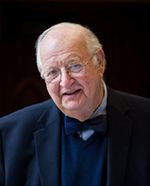 Angus Deaton |
Princeton | Bio/Vote History | ||
|
|
||||
 Darrell Duffie |
Stanford | Bio/Vote History | ||
|
|
||||
 Aaron Edlin |
Berkeley | Did Not Answer | Bio/Vote History | |
|
|
||||
 Barry Eichengreen |
Berkeley | Bio/Vote History | ||
|
If "downward influence on" is taken to mean "slower rate of growth of" then I agree
|
||||
 Liran Einav |
Stanford | Bio/Vote History | ||
|
|
||||
 Ray Fair |
Yale | Bio/Vote History | ||
|
|
||||
 Amy Finkelstein |
MIT | Bio/Vote History | ||
|
|
||||
 Pinelopi Goldberg |
Yale | Bio/Vote History | ||
|
|
||||
 Austan Goolsbee |
Chicago | Did Not Answer | Bio/Vote History | |
|
|
||||
 Michael Greenstone |
University of Chicago | Bio/Vote History | ||
|
|
||||
 Robert Hall |
Stanford | Bio/Vote History | ||
|
True even with appropriate policy.
|
||||
 Oliver Hart |
Harvard | Bio/Vote History | ||
|
|
||||
 Bengt Holmström |
MIT | Bio/Vote History | ||
|
|
||||
 Caroline Hoxby |
Stanford | Bio/Vote History | ||
|
|
||||
 Hilary Hoynes |
Berkeley | Bio/Vote History | ||
|
|
||||
 Kenneth Judd |
Stanford | Bio/Vote History | ||
|
Productivity declines with age. Current policy discourages work by older people. Simple arithmetic tells you what will happen.
|
||||
 Steven Kaplan |
Chicago Booth | Bio/Vote History | ||
|
|
||||
 Anil Kashyap |
Chicago Booth | Bio/Vote History | ||
|
depends on what constitutes substantial but direction is clear (absent immigration, changes in retirement ages, etc)
|
||||
 Pete Klenow |
Stanford | Bio/Vote History | ||
 Jonathan Levin |
Stanford | Bio/Vote History | ||
|
|
||||
 Eric Maskin |
Harvard | Bio/Vote History | ||
|
|
||||
 William Nordhaus |
Yale | Bio/Vote History | ||
|
|
||||
 Emmanuel Saez |
Berkeley | Bio/Vote History | ||
|
|
||||
 Larry Samuelson |
Yale | Bio/Vote History | ||
|
This is one reason we can expect economic growth rates to be sluggish in the near future, irrespective of economic policy.
|
||||
 José Scheinkman |
Columbia University | Bio/Vote History | ||
|
However this does not necessarily mean that real GDP per capital will fall.
|
||||
 Richard Schmalensee |
MIT | Bio/Vote History | ||
|
|
||||
 Carl Shapiro |
Berkeley | Bio/Vote History | ||
|
|
||||
 Robert Shimer |
University of Chicago | Bio/Vote History | ||
|
|
||||
 James Stock |
Harvard | Bio/Vote History | ||
|
Retiring workers slow the growth of the labor force, reducing the growth rate of hours and thus output - as in the U.S..
-see background information here |
||||
 Richard Thaler |
Chicago Booth | Did Not Answer | Bio/Vote History | |
|
|
||||
 Christopher Udry |
Northwestern | Bio/Vote History | ||
|
The "substantial" is my reason for caution. We don't have strong empirical evidence regarding the magnitude of the effect.
|
||||
Question B Participant Responses
| Participant | University | Vote | Confidence | Bio/Vote History |
|---|---|---|---|---|
|
Daron Acemoglu |
MIT | Bio/Vote History | ||
|
|
||||
|
Alberto Alesina |
Harvard | Bio/Vote History | ||
|
|
||||
|
Joseph Altonji |
Yale | Bio/Vote History | ||
|
Scheduled increases in retirement age are already in place in some countries. Bigger increases should differentiate by health status.
|
||||
|
Alan Auerbach |
Berkeley | Bio/Vote History | ||
|
|
||||
|
David Autor |
MIT | Bio/Vote History | ||
|
Yes, but should be done in conjunction with reforms to disability systems, etc., so those in poor health and of low education are protected.
|
||||
|
Katherine Baicker |
University of Chicago | Bio/Vote History | ||
|
|
||||
|
Abhijit Banerjee |
MIT | Bio/Vote History | ||
|
|
||||
|
Marianne Bertrand |
Chicago | Bio/Vote History | ||
|
|
||||
|
Markus Brunnermeier |
Princeton | Bio/Vote History | ||
|
|
||||
|
Raj Chetty |
Harvard | Did Not Answer | Bio/Vote History | |
|
|
||||
|
Judith Chevalier |
Yale | Bio/Vote History | ||
|
Likely reasonable public policy but net social benefits hard to measure.
|
||||
|
David Cutler |
Harvard | Bio/Vote History | ||
|
|
||||
|
Angus Deaton |
Princeton | Bio/Vote History | ||
|
Net social benefits are defined without taking into account distribution. This is a political issue, not an efficiency one.
|
||||
|
Darrell Duffie |
Stanford | Bio/Vote History | ||
|
I would include in this discussion the cases of Japan and China, which have even more severe inverted demographic problems than Europe.
|
||||
|
Aaron Edlin |
Berkeley | Did Not Answer | Bio/Vote History | |
|
|
||||
|
Barry Eichengreen |
Berkeley | Bio/Vote History | ||
|
|
||||
|
Liran Einav |
Stanford | Bio/Vote History | ||
|
|
||||
|
Ray Fair |
Yale | Bio/Vote History | ||
|
|
||||
|
Amy Finkelstein |
MIT | Bio/Vote History | ||
|
|
||||
|
Pinelopi Goldberg |
Yale | Bio/Vote History | ||
|
|
||||
|
Austan Goolsbee |
Chicago | Did Not Answer | Bio/Vote History | |
|
|
||||
|
Michael Greenstone |
University of Chicago | Bio/Vote History | ||
|
"net social benefits" requires knowing how to compare costs to retirees w benefits to workers. i'm unaware of clear way to do this.
|
||||
|
Robert Hall |
Stanford | Bio/Vote History | ||
|
This question seems to presume that the government tells people when to retire, rather than providing a framework where they can decide.
|
||||
|
Oliver Hart |
Harvard | Bio/Vote History | ||
|
|
||||
|
Bengt Holmström |
MIT | Bio/Vote History | ||
|
|
||||
|
Caroline Hoxby |
Stanford | Bio/Vote History | ||
|
|
||||
|
Hilary Hoynes |
Berkeley | Bio/Vote History | ||
|
|
||||
|
Kenneth Judd |
Stanford | Bio/Vote History | ||
|
Output and tax revenue rise. Young could lose if labor market frictions are not fixed.
|
||||
|
Steven Kaplan |
Chicago Booth | Bio/Vote History | ||
|
|
||||
|
Anil Kashyap |
Chicago Booth | Bio/Vote History | ||
|
|
||||
|
Pete Klenow |
Stanford | Bio/Vote History | ||
|
Jonathan Levin |
Stanford | Bio/Vote History | ||
|
|
||||
|
Eric Maskin |
Harvard | Bio/Vote History | ||
|
|
||||
|
William Nordhaus |
Yale | Bio/Vote History | ||
|
|
||||
|
Emmanuel Saez |
Berkeley | Bio/Vote History | ||
|
|
||||
|
Larry Samuelson |
Yale | Bio/Vote History | ||
|
Adjusting ages to reflect increases in longevity is an obvious component of entitlement reform.
|
||||
|
José Scheinkman |
Columbia University | Bio/Vote History | ||
|
Countries in other regions, e.g. Latin America, also need to adjust retirement ages to reflect longer life expectancy.
|
||||
|
Richard Schmalensee |
MIT | Bio/Vote History | ||
|
Not clear how best to do this or how far to go, however. Life expectancy is influenced by work experience.
|
||||
|
Carl Shapiro |
Berkeley | Bio/Vote History | ||
|
|
||||
|
Robert Shimer |
University of Chicago | Bio/Vote History | ||
|
Best to announce the changes many years in advance
|
||||
|
James Stock |
Harvard | Bio/Vote History | ||
|
Doing so would tend to increase working years, and thus support output growth.
|
||||
|
Richard Thaler |
Chicago Booth | Did Not Answer | Bio/Vote History | |
|
|
||||
|
Christopher Udry |
Northwestern | Bio/Vote History | ||
|
|
||||