Question A:
The experience of the past 10 years suggests that Western-led economic sanctions do not substantially deter the target countries from their course of action.
Responses
Responses weighted by each expert's confidence
Question B:
Had the G7 instituted a complete energy embargo in 2022, Russia's current military and economic position would be substantially worse.
Responses
Responses weighted by each expert's confidence
Question C:
Had the G7 instituted a complete energy embargo in 2022, the world economy would have faced substantially higher oil prices.
Responses
Responses weighted by each expert's confidence
Question A Participant Responses
| Participant | University | Vote | Confidence | Bio/Vote History |
|---|---|---|---|---|
 Daron Acemoglu |
MIT | Bio/Vote History | ||
|
|
||||
 Mark Aguiar |
Princeton | Bio/Vote History | ||
|
|
||||
 Joseph Altonji |
Yale | Bio/Vote History | ||
|
|
||||
 Alan Auerbach |
Berkeley | Bio/Vote History | ||
|
|
||||
 David Autor |
MIT | Bio/Vote History | ||
|
|
||||
 Abhijit Banerjee |
MIT | Bio/Vote History | ||
|
This does not mean that these sanctions do not impose costs. Just that the targeted authoritarian regimes are willing to impose these costs on their citizens for geopolitical gains
|
||||
 Dirk Bergemann |
Yale | Bio/Vote History | ||
|
|
||||
 Marianne Bertrand |
Chicago | Bio/Vote History | ||
|
|
||||
 Markus Brunnermeier |
Princeton | Bio/Vote History | ||
|
|
||||
 Judith Chevalier |
Yale | Bio/Vote History | ||
|
|
||||
 David Cutler |
Harvard | Bio/Vote History | ||
|
|
||||
 Darrell Duffie |
Stanford | Bio/Vote History | ||
|
|
||||
 Aaron Edlin |
Berkeley | Bio/Vote History | ||
|
Of course it must depend how intent they are on their course of action.
|
||||
 Barry Eichengreen |
Berkeley | Bio/Vote History | ||
|
|
||||
 Liran Einav |
Stanford | Bio/Vote History | ||
|
|
||||
 Ray Fair |
Yale | Bio/Vote History | ||
|
|
||||
 Edward Glaeser |
Harvard | Bio/Vote History | ||
|
|
||||
 Pinelopi Goldberg |
Yale | Bio/Vote History | ||
|
|
||||
 Michael Greenstone |
University of Chicago | Bio/Vote History | ||
|
|
||||
 Oliver Hart |
Harvard | Bio/Vote History | ||
|
In many cases, unless other countries buy in, there will be too much leakage
|
||||
 Bengt Holmström |
MIT | Bio/Vote History | ||
|
|
||||
 Caroline Hoxby |
Stanford | Did Not Answer | Bio/Vote History | |
|
|
||||
 Hilary Hoynes |
Berkeley | Bio/Vote History | ||
|
|
||||
 Erik Hurst |
Chicago Booth | Bio/Vote History | ||
|
|
||||
 Kenneth Judd |
Stanford | Bio/Vote History | ||
|
These sanctions do raise the costs to bad actors. It is difficult to determine the effectiveness of sanctions; we have all seen cases where deterrence failed but cases where deterrence succeeded are not observable. Failure to impose sanctions would send a bad message.
|
||||
 Steven Kaplan |
Chicago Booth | Bio/Vote History | ||
|
|
||||
 Anil Kashyap |
Chicago Booth | Bio/Vote History | ||
|
As implemented after accounting for all the constraints and the ability to evade.
|
||||
 Pete Klenow |
Stanford | Bio/Vote History | ||
 Jonathan Levin |
Stanford | Bio/Vote History | ||
|
|
||||
 Eric Maskin |
Harvard | Bio/Vote History | ||
|
|
||||
 William Nordhaus |
Yale | Bio/Vote History | ||
|
|
||||
 Maurice Obstfeld |
Peterson Institute for International Economics | Bio/Vote History | ||
|
|
||||
 Parag Pathak |
MIT | Bio/Vote History | ||
|
|
||||
 Larry Samuelson |
Yale | Bio/Vote History | ||
|
Sanctions appear to be ineffective because they are only haphazardly designed, applied and enforced, and not accompanied by complementary policy measures.
|
||||
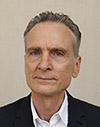 José Scheinkman |
Columbia University | Bio/Vote History | ||
|
Uncertain about what targets would have achieved, absent sanctions.
|
||||
 Richard Schmalensee |
MIT | Bio/Vote History | ||
|
|
||||
 Fiona Scott Morton |
Yale | Bio/Vote History | ||
|
Such sanctions make the course of conduct expensive. The counterfactual world with only military options or no response would likely contain more bad conduct.
|
||||
 Carl Shapiro |
Berkeley | Bio/Vote History | ||
|
|
||||
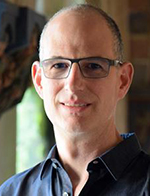 Robert Shimer |
University of Chicago | Bio/Vote History | ||
|
|
||||
 Stefanie Stantcheva |
Harvard | Did Not Answer | Bio/Vote History | |
|
|
||||
 James Stock |
Harvard | Bio/Vote History | ||
|
|
||||
 Nancy Stokey |
University of Chicago | Bio/Vote History | ||
|
|
||||
 Chad Syverson |
Chicago Booth | Bio/Vote History | ||
|
|
||||
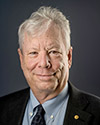 Richard Thaler |
Chicago Booth | Bio/Vote History | ||
|
Hard to generalize from this sample of one.
|
||||
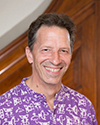 Christopher Udry |
Northwestern | Did Not Answer | Bio/Vote History | |
|
|
||||
 Ivan Werning |
MIT | Bio/Vote History | ||
|
|
||||
Question B Participant Responses
| Participant | University | Vote | Confidence | Bio/Vote History |
|---|---|---|---|---|
|
Daron Acemoglu |
MIT | Bio/Vote History | ||
|
|
||||
|
Mark Aguiar |
Princeton | Bio/Vote History | ||
|
|
||||
|
Joseph Altonji |
Yale | Bio/Vote History | ||
|
|
||||
|
Alan Auerbach |
Berkeley | Bio/Vote History | ||
|
|
||||
|
David Autor |
MIT | Bio/Vote History | ||
|
|
||||
|
Abhijit Banerjee |
MIT | Bio/Vote History | ||
|
May be just economic or military
|
||||
|
Dirk Bergemann |
Yale | Bio/Vote History | ||
|
|
||||
|
Marianne Bertrand |
Chicago | Bio/Vote History | ||
|
|
||||
|
Markus Brunnermeier |
Princeton | Bio/Vote History | ||
|
|
||||
|
Judith Chevalier |
Yale | Bio/Vote History | ||
|
|
||||
|
David Cutler |
Harvard | Bio/Vote History | ||
|
|
||||
|
Darrell Duffie |
Stanford | Bio/Vote History | ||
|
|
||||
|
Aaron Edlin |
Berkeley | Bio/Vote History | ||
|
|
||||
|
Barry Eichengreen |
Berkeley | Bio/Vote History | ||
|
|
||||
|
Liran Einav |
Stanford | Bio/Vote History | ||
|
|
||||
|
Ray Fair |
Yale | Bio/Vote History | ||
|
|
||||
|
Edward Glaeser |
Harvard | Bio/Vote History | ||
|
|
||||
|
Pinelopi Goldberg |
Yale | Bio/Vote History | ||
|
|
||||
|
Michael Greenstone |
University of Chicago | Bio/Vote History | ||
|
|
||||
|
Oliver Hart |
Harvard | Bio/Vote History | ||
|
But I'm not confident that it would have changed Russian behavior in Ukraine.
|
||||
|
Bengt Holmström |
MIT | Bio/Vote History | ||
|
|
||||
|
Caroline Hoxby |
Stanford | Did Not Answer | Bio/Vote History | |
|
|
||||
|
Hilary Hoynes |
Berkeley | Bio/Vote History | ||
|
|
||||
|
Erik Hurst |
Chicago Booth | Bio/Vote History | ||
|
|
||||
|
Kenneth Judd |
Stanford | Bio/Vote History | ||
|
Russia's current position reflects its ability to adjust to sanctions. Harsher initial sanctions may not have had any impact on the current situation.
|
||||
|
Steven Kaplan |
Chicago Booth | Bio/Vote History | ||
|
|
||||
|
Anil Kashyap |
Chicago Booth | Bio/Vote History | ||
|
The money that flowed into Russia from energy sales sustained it efforts.
-see background information here |
||||
|
Pete Klenow |
Stanford | Bio/Vote History | ||
|
Jonathan Levin |
Stanford | Bio/Vote History | ||
|
|
||||
|
Eric Maskin |
Harvard | Bio/Vote History | ||
|
|
||||
|
William Nordhaus |
Yale | Bio/Vote History | ||
|
|
||||
|
Maurice Obstfeld |
Peterson Institute for International Economics | Bio/Vote History | ||
|
|
||||
|
Parag Pathak |
MIT | Bio/Vote History | ||
|
|
||||
|
Larry Samuelson |
Yale | Bio/Vote History | ||
|
The experience of Russia illustrates well how ineffective sanctions can be when riddled by exceptions, loopholes, and evasions.
|
||||
|
José Scheinkman |
Columbia University | Bio/Vote History | ||
|
|
||||
|
Richard Schmalensee |
MIT | Bio/Vote History | ||
|
Assuming they had been able to enforce it, of course.
|
||||
|
Fiona Scott Morton |
Yale | Bio/Vote History | ||
|
A complete embargo would have caused high oil prices which might have eroded western support for Ukraine among democracies and in that way helped Russia.
|
||||
|
Carl Shapiro |
Berkeley | Bio/Vote History | ||
|
|
||||
|
Robert Shimer |
University of Chicago | Bio/Vote History | ||
|
It is unclear what this question means. Is a complete energy embargo backed by military force? That would likely have led to war. Otherwise it would likely have been ineffective.
|
||||
|
Stefanie Stantcheva |
Harvard | Did Not Answer | Bio/Vote History | |
|
|
||||
|
James Stock |
Harvard | Bio/Vote History | ||
|
|
||||
|
Nancy Stokey |
University of Chicago | Bio/Vote History | ||
|
|
||||
|
Chad Syverson |
Chicago Booth | Bio/Vote History | ||
|
|
||||
|
Richard Thaler |
Chicago Booth | Bio/Vote History | ||
|
|
||||
|
Christopher Udry |
Northwestern | Did Not Answer | Bio/Vote History | |
|
|
||||
|
Ivan Werning |
MIT | Bio/Vote History | ||
|
|
||||