Defense spending is on the rise globally. As the IMF noted in April:
..over 2020–24, 50 percent of countries worldwide increased their defense spending budgets and, as of 2024, almost 40 percent allocated more than 2 percent of GDP to defense spending, compared with 27 percent in 2018. According to the Stockholm International Peace Research Institute (SIPRI) Arms Industry Database, arms sales by the world’s largest 100 arms firms have doubled in real terms over the past two decades. These numbers are set to increase, as North Atlantic Treaty Organization (NATO) members committed in June 2025 to raise their annual defense and security-related spending to 5 percent of GDP by 2035, more than double the previous 2 percent guideline.
But is this money being spent well? Do governments achieve, in an almost literal sense, the most bang for their buck? The defense sector, and military procurement in many countries, have become almost bywords for inefficiency and poor procurement practices.
There are plenty of reasons why this might be the case.
A useful report from PWC, the global professional services and consultancy firm, noted that:
Defense procurement typically includes a high proportion of non-competitive contracting and procurement through government-to-government and multinational arrangements. In the UK, for example, over 60% of all procurement over the last five years was non-competitive. Even when the initial procurement is competitive, once a supplier has been selected, governments can be locked in from that point with no viable alternative. The majority of defense procurement is therefore not subject to the market pressures normally at play in other industries that incentivise cost control, performance improvement and investment.
And the large firms operating in this space face their own constraints and incentives too. As PWC argue:
… the financial markets largely see defense primes as low-risk, low-return investments. They are primarily interested in the size of their order book, minimising risk, and a steady profit rate of around 10%. This creates a problem for the defense suppliers because their activities are not low risk.
Defense procurement is technically complex, with a convoluted supply chain, multiple critical paths, changing requirements and demands, small volumes, and significant obsolescence issues. This puts suppliers in a difficult position, balancing the demands of shareholders looking to minimise risk whilst actually performing a medium- to high-risk activity. They respond to this by only agreeing to contracts that, whatever their appearance, effectively pass most of the cost risk onto the customer.
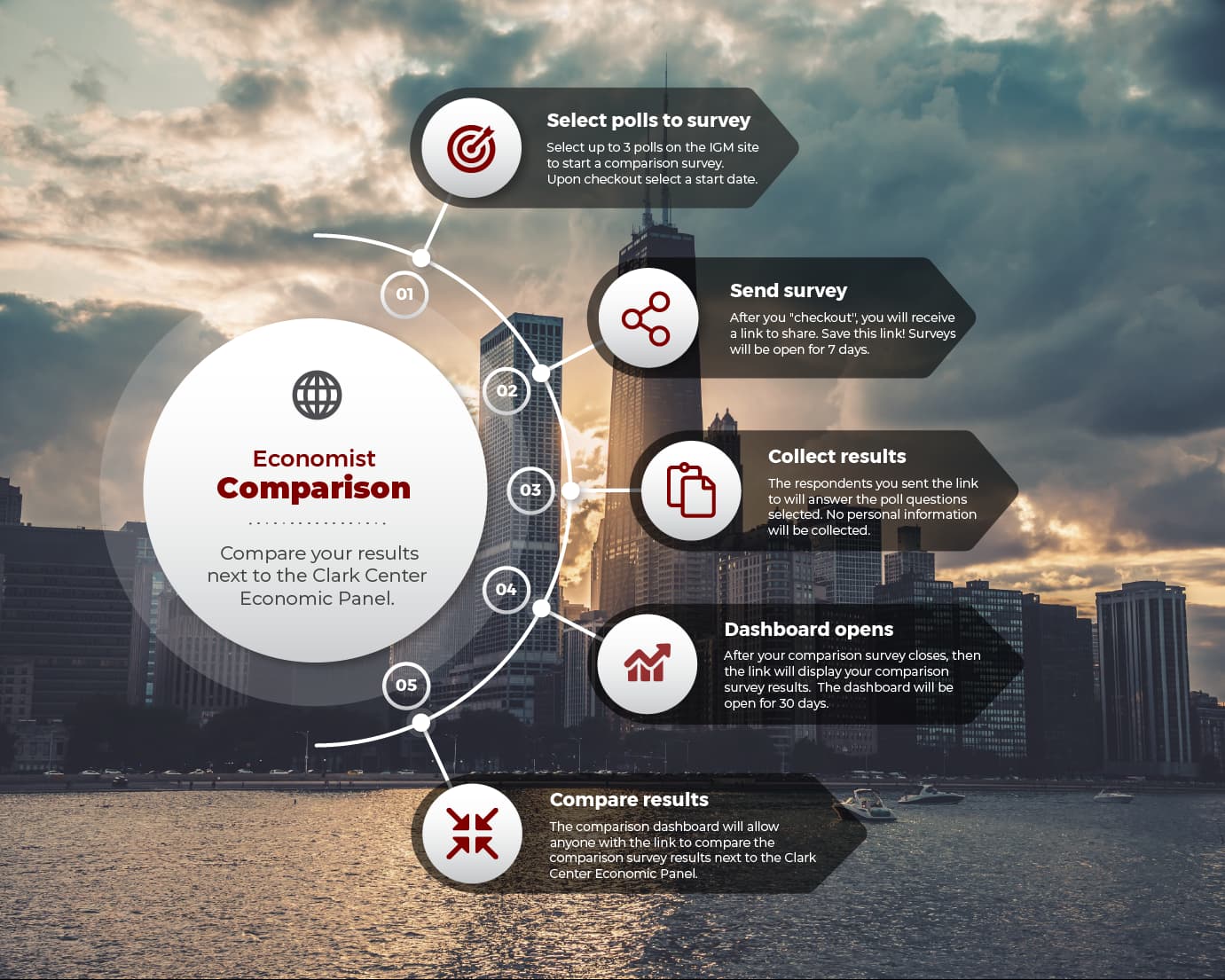
It is not the job of economists to tell politicians how much to spend on defense or to make military decisions, but when it comes to thinking through incentives and designing market structures, they are the right people to ask. Over the last few weeks, the Clark Center’s US and European Experts Panels have both been asked the same two questions and come up with strikingly similar conclusions. At least 70% of respondents across both panels, when weighted by confidence, either strongly agreed or agreed with both propositions. An unusually high level of agreement.
First, the panels agreed that ‘defense procurement that invites potential suppliers to propose technologies with potential military benefits rather than requiring them to meet tightly specified government requirements would generate substantially stronger military capabilities’. In other words, rather than the government or defense planners simply drawing up the specifications for what they want and putting it out to tender, the experts think there is some upside to allowing outside parties to suggest new ideas.
Second, the panels agreed that ‘defense procurement that enables start-up firms and other new entrants to participate (either as sole contractors or jointly with others, including incumbents) would generate substantially more innovation in military capabilities than directing spending predominantly towards incumbent contractors’. This should not be a surprise; economists, after all, do tend to believe that more competition leads to better outcomes.
Indeed, start-ups may become ever more important to the kind of technologies which are emerging as ever more important in modern warfare. As Kenneth Judd of Stanford noted, ‘The current system is focused on large and complex systems like aircraft carriers, beyond what a “start-up” can do. Start-ups can develop new technologies, like drones, that threaten those systems. We need to encourage them’.
Although, as Franklin Allen of Imperial College London argued, ‘I think there is room for innovation by start-ups and this is very important. But there is also room for innovation by incumbents. It’s true that drones have emerged as a potent and essential weapon. However, Patriot missiles developed by incumbents are also essential’.
The Ukrainian experience offers some lessons. As The Economist reported last year:
The country’s defence industry, largely abandoned after the collapse of the Soviet Union, is once again firing on all cylinders. This year production is expected to amount to around $15bn-worth of armaments, up from just $1bn in 2022, the year Russia’s full-scale invasion began. Hundreds of tech startups have joined older state-run firms in manufacturing artillery, ammunition, armoured vehicles and—above all—drones and missiles.
The fruits of that ecosystem have been on display this year with various Gulf States, and indeed the United States, now keen to tap Ukrainian expertise and systems when it comes to combating Iranian drones.
Yet, the Ukrainian system is not without its flaws and challenges. As one think tank recently set out:
…[the] market-driven logic that defines the innovation ecosystem also comes with challenges. These include scaling up and standardising production and reducing dependence on competitively priced Chinese suppliers despite structural disincentives.
Start-ups might be well placed to drive innovation, but they can also struggle when it comes to producing at volume. A healthy defense ecosystem contains both plenty of start-ups and challenger firms driving through new ideas, technologies and processes, but also the large firms able to reap economies of scale and manufacture at pace. The job of policymakers is to think through how their own procurement decisions and processes can create such an ecosystem, and when it comes to that, listening to economists is very helpful indeed.