Cboe is launching an interesting new product. So-called KPI (key performance indicators) exchange-traded binary options will soon be offered, initially on 23 publicly traded firms.
KPI Binary Options are exchange-listed, cash-settled option contracts whose payout is based on a specific company Key Performance Indicator (KPI) — such as Earnings Per Share, Revenue, or another disclosed financial or operating metric — rather than a stock price. Each contract pays $1.00 if the reported KPI meets the stated condition at expiration, or $0.00 if it does not.
- Call options pay $1.00 if the reported KPI is equal to or greater than the strike price at expiration; otherwise $0.00.
- Put options pay $1.00 if the reported KPI is strictly less than the strike price at expiration; otherwise $0.00.
In effect, as the National Law Review notes, this opens the door to something that looks like event-based trading on securities exchanges. Investors will be able to directly trade, say, the number of iPhone sales made by Apple or the number of deliveries by Tesla rather than simply going long or short on the firms’ equities as a whole.
Kalshi has been offering wagers tied to what it calls key performance indicators of public companies, which are also the term that Cboe uses to describe the subject of newly proposed contracts. There are, for example, Kalshi contracts tied to what Nvidia executives will say on their next earnings call, and what their headcount will be in the current fiscal year.
The SEC approval then will, if nothing else, create a form of competition for the prediction markets when it comes to expressing a view on various operational indicators.
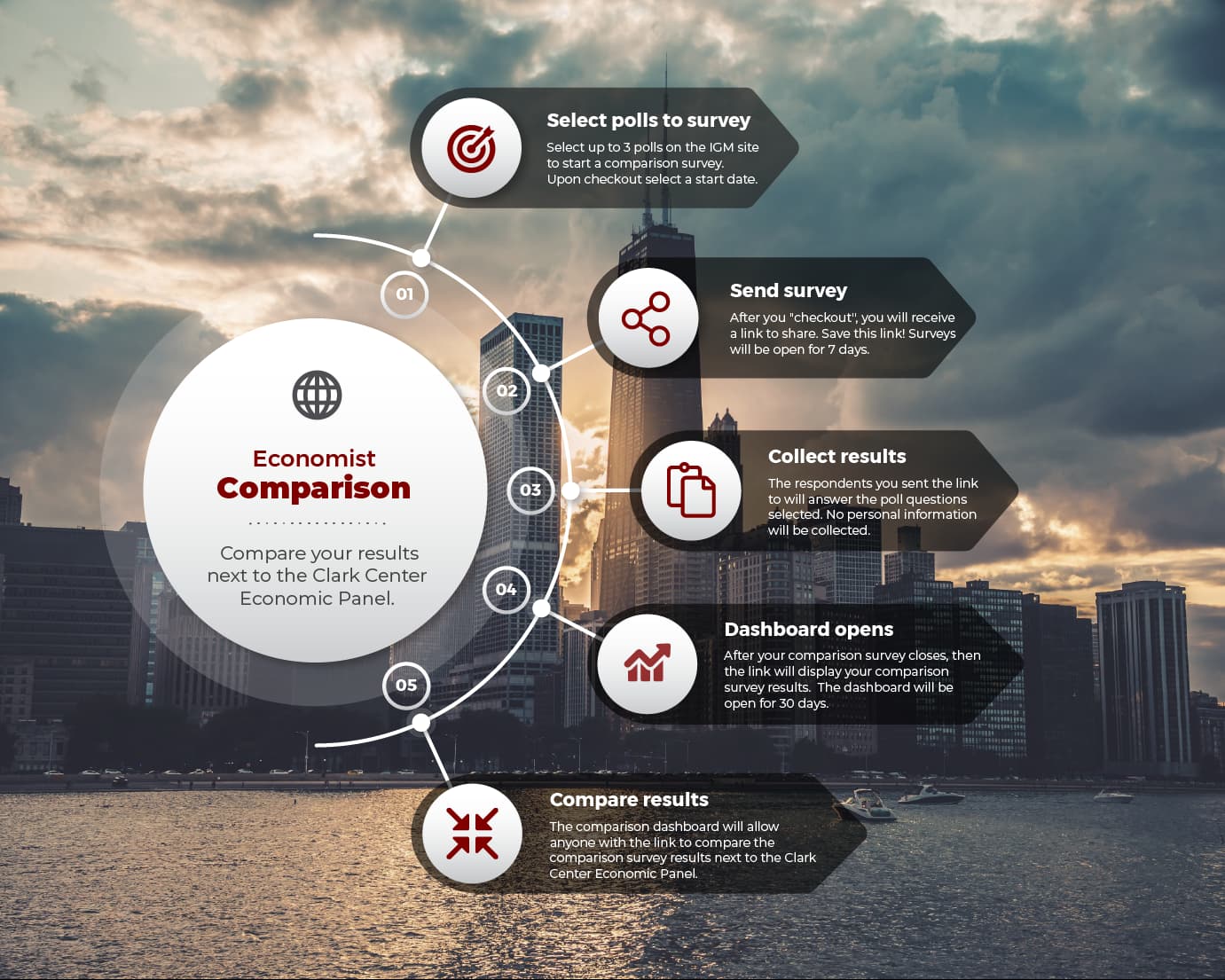
The Clark Center’s Finance Experts Panel is somewhat supportive of the move, although several participants flagged some concerns. Asked this week whether ‘the availability of exchange-traded derivatives on corporate accounting or operating performance metrics will measurably improve capital market efficiency by allowing investors to directly express views about individual components of business performance’, 40% of respondents – weighted by confidence – agreed, 36% uncertain, and the rest either disagreed or strongly disagreed.
Amongst the supporters of the move, John Campbell of Harvard argued that ‘stock prices reflect expectations of many different components of a company’s performance. The granular information revealed by KPI derivatives should provide valuable ingredients to help investors build expectations from the bottom up’. Campbell R. Harvey of Duke Fuqua agreed, arguing that ‘Assuming people trade it, a more precise trading instrument can increase both information production and the incorporation of existing information into prices’.
It is, as one example, perfectly possible that an investor might be bullish on the prospects for, say, Tesla deliveries but still think that the equity as a whole is overvalued. The existence of KPI options allows them to express a view on those deliveries without having to take a position on the valuation of the stock as a whole. The existence of these markets could even, in theory, lead to more information being available for those who prefer to stick to trading actual equities. Equally, the ability to trade such metrics directly might offer some hedging potential to an investor who, say, was bullish on Apple equity but worried that iPhone sales might miss consensus estimates in the short term.
Not everyone, though, is convinced. Jonathan Parker of MIT Sloan argued that, ‘this move is to compete with sports betting, for entertainment not hedging’. Loretta Mester of Wharton echoed this, raising concerns about the ‘gamification of finance’.
The Finance Panel was also asked whether ‘binary options tied to individual companies’ reported performance metrics will substantially increase incentives to manipulate reported results or influence the measurement of those metrics’. 4% of respondents, again weighted by confidence, strongly agreed and 41% agreed, with 36% uncertain and 18% disagreeing.
Several respondents, whilst acknowledging the concern, noted that laws already exist to disincentivise such behaviour. As Paolo Sapienza of the Hoover Institution – who was uncertain – argued, ‘I think insider trading is the bigger first-order concern: an insider who knows the quarter is tracking above a strike has a clean, high-leverage way to trade on it, not sure about enforcement in this case’.
Much of course will depend on how much interest these markets ultimately attract and the kind of trading volumes that they generate. If these markets do indeed become deep and liquid, then they might become attractive as a form of hedging and a useful source of information for more traditionally minded investors. On the other hand, if volumes are low, they may indeed just become a substitute for sports gambling rather than a source of useful information.